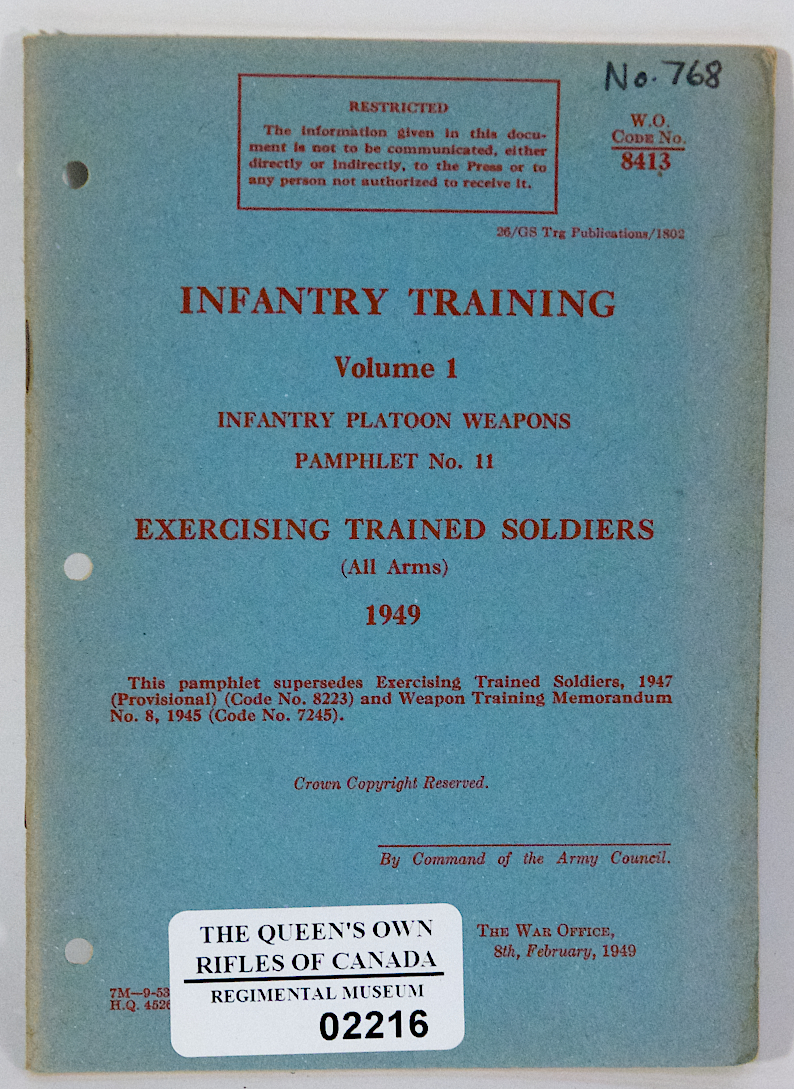
Basic Field Engineering 1962 British 1
You might be excused if you’ve never heard of Decoration Day – but from 1890 to 1931 it was our first official day of remembering those who had died in the service of their country.
Peter Vronsky wrote:
“After nearly twenty-five years of silence, in 1890, suddenly murmurs and whispers of Ridgeway began to bubble to the surface in public discourse. A short paragraph in the Globe, ―Ridgeway Remembered‖ reported that the veterans of the battle had ―taken the matter in hand and would meet for the first time publicly on the twenty-fourth anniversary to lay flowers on the monument to the fallen on the U of T campus near Queens Park. The Globe described the ceremony under the headline, ―Our Decoration Day and reported that from now on it would be commemorated annually. It was the beginning of Canada‘s national Remembrance Day.”
As time passed it also came to also serve as a day to remember those who had died in the Northwest Rebellion and the South African War. Then came the First World War and the massive casualties which soon overshadowed these earlier and in comparison, less significant conflicts. An Act of Parliament in 1931 would change our national day of remembrance to November 11 and as the last of the Fenian Raid survivors died off, so did the June 2nd Decoration Day.
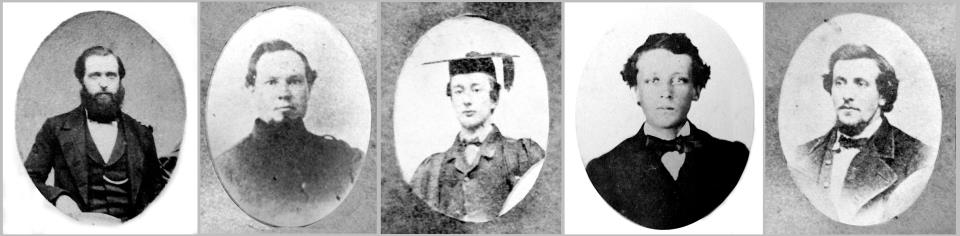
If you’re on Facebook, you’ve all seen those “lists” designed to tweak your interest and click through to their website – hotels with breathtaking views, amazing animal photos, abandoned Olympic facilities. Today we present our own list – the list of those of The Queen’s Own Rifles of Canada who were the first to die in the service of their country and the reason we still remember Decoration Day:
1. Ensign Malcolm McEachern – No. 5 Company
Thirty five years of age, this father of five young children was the first to fall on June 2nd.
2. Rifleman William D. Smith – No. 2 Company
Sadly we know very little about Rifleman Smith.
3. Lance-Corporal Mark B. Defries – No. 3 Company
He worked as a cellarman or malster in this brother Robert’s East-end Brewery.
4. Rifleman Christopher Alderson – No. 7 Company
He’d married his wife Janet Black exactly 3 months before the Battle of Ridgeway.
5. Rifleman William Fairbanks Tempest – No. 9 Company
His father, a Whitby medical doctor who had rushed to Ridgeway to assist the wounded, discovered the corpse of his son.
6. Rifleman Malcolm McKenzie – No. 9 Company
He enlisted in the University Company and was the first in his to fall, killed instantly with a shot to the heart.
7. Rifleman John Harriman Mewburn – No. 9 Company
His father had scraped together nearly $400 to put him through a year of school, but his grades were so good that he was expected to win the annual University College Scholarship.
8. Sergeant Hugh Matheson – No. 2 Company
Matheson was wounded in the leg on June 2nd but infection set in and despite amputation, we would die on June 11th.
9. Corporal Francis Lakey – No. 2 Company
Lackey also suffered horrible wounds to his face and head on June 2nd and would like Matheson, die a few days later.
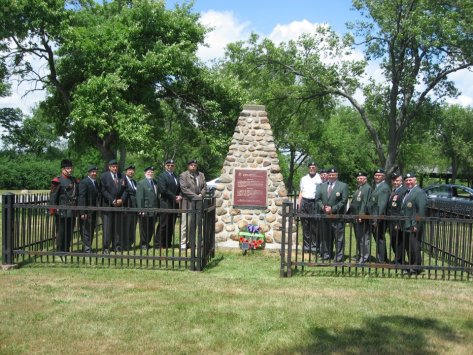
Each year members of the Queen’s Own and the QOR Association still travel to the Battle of Ridgeway Memorial and conduct a ceremony of remembrance and decoration.




Here is a visual of what a Rifleman would have looked like on D-Day.
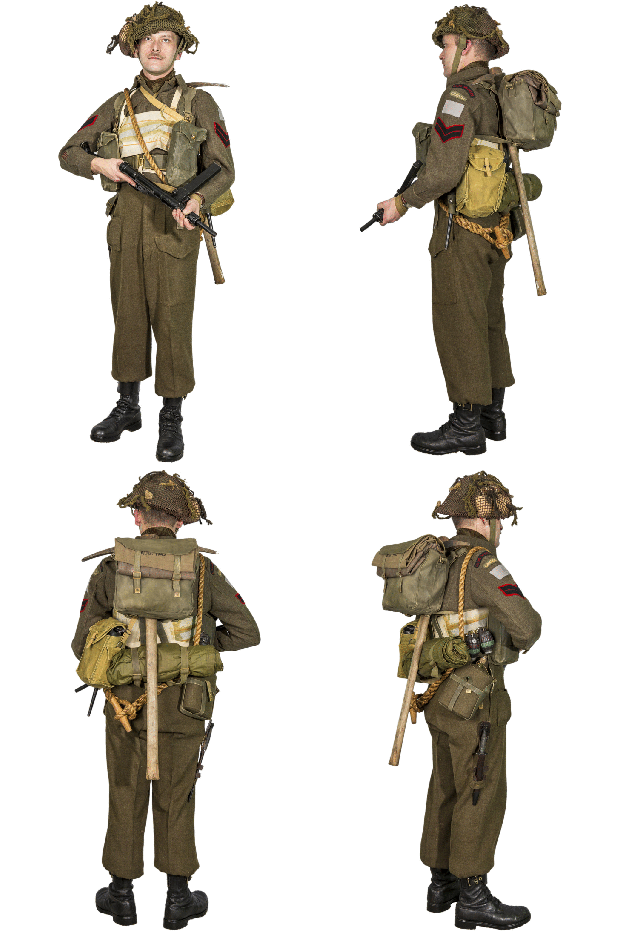
Field Service Marching Order with respirator slung. Gas cape rolled on Belt. Veil camouflage around neck. Shell dressing under netting of helmet. Emergency rations in hip pocket.
A.V. Battle dress will be worn, patches, (Canada & QOR), sewn on, when other collected.
The A.V. Battle dress will be worn for a minimum of 48 hrs, as soon as possible. If any effects on body are noticed, they will be reported immediately.
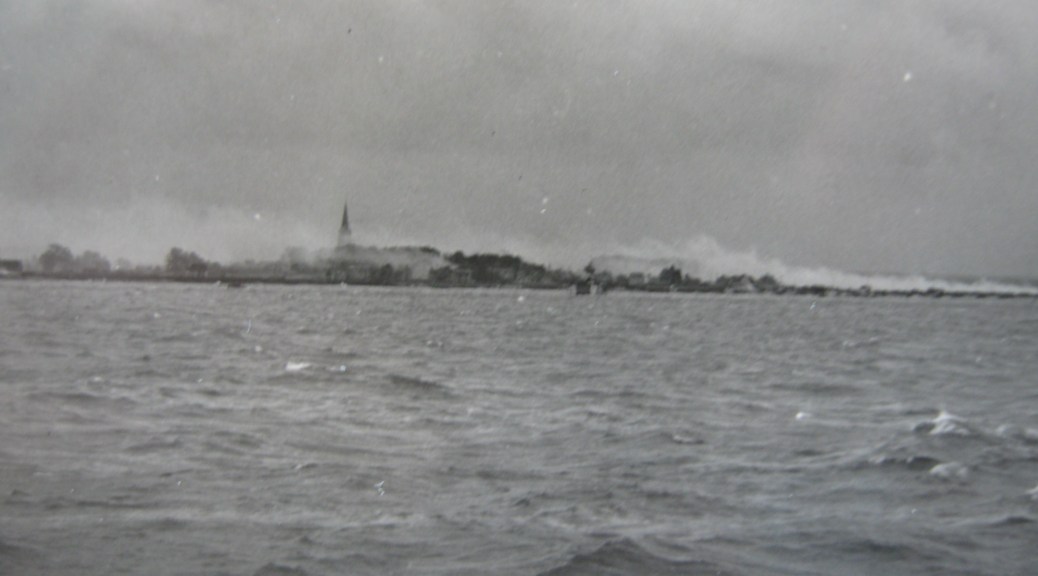
Here are some Pre Invasion photos from our Archives:

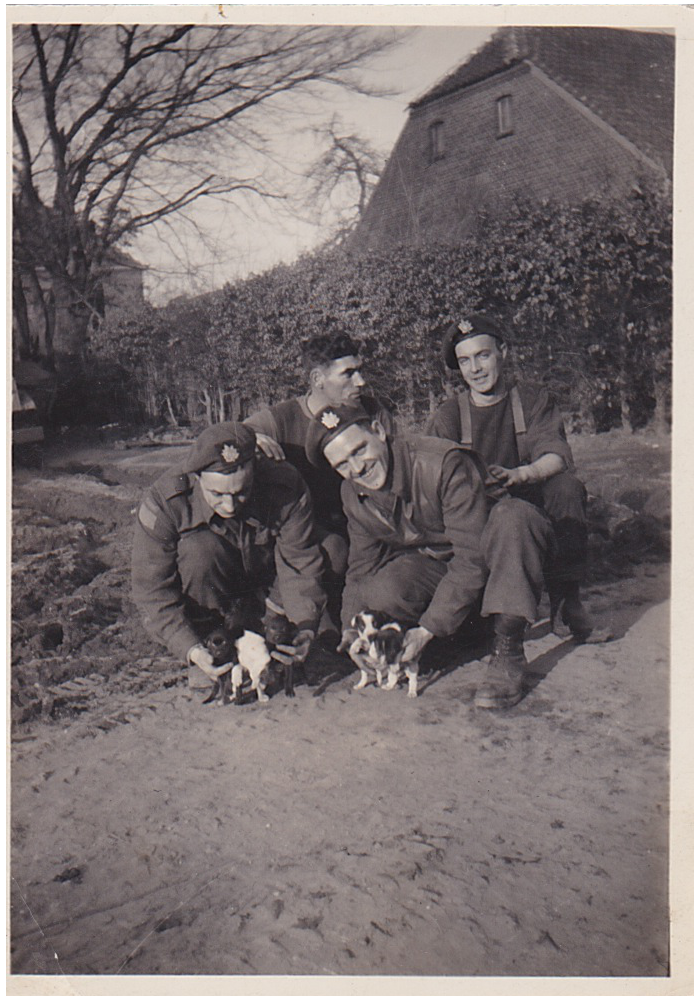
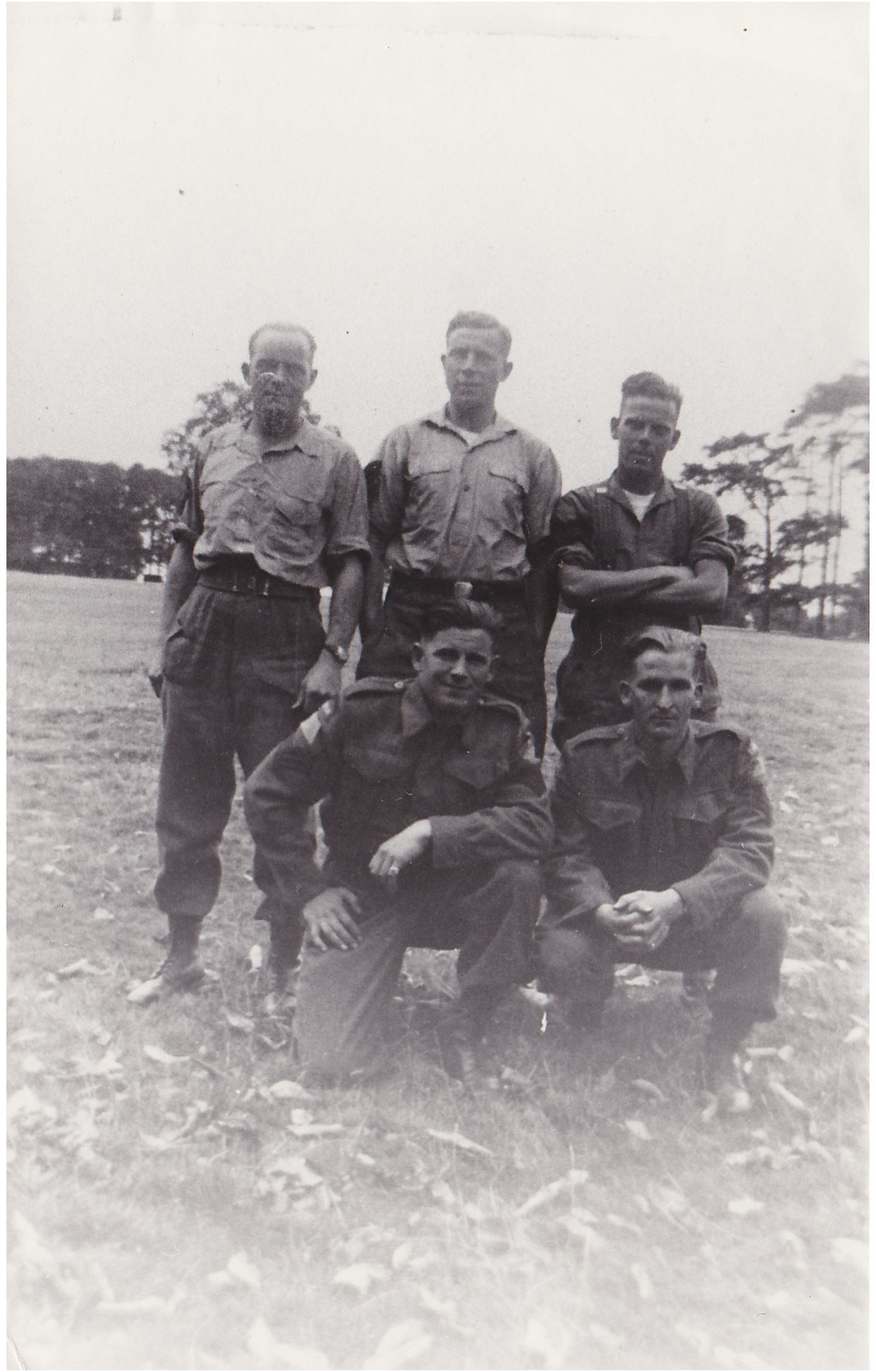
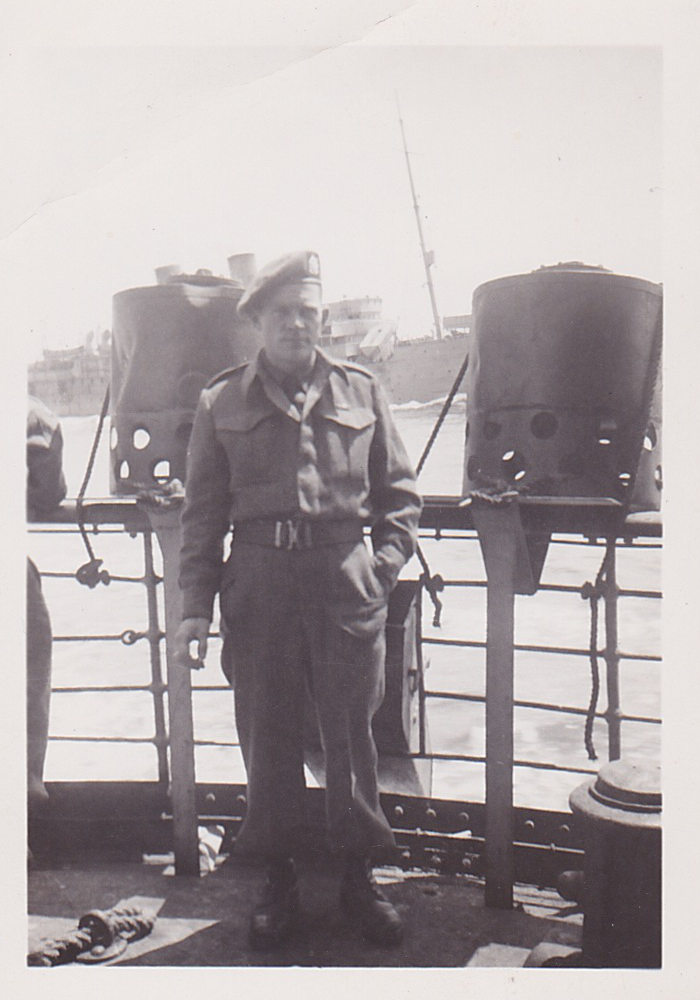

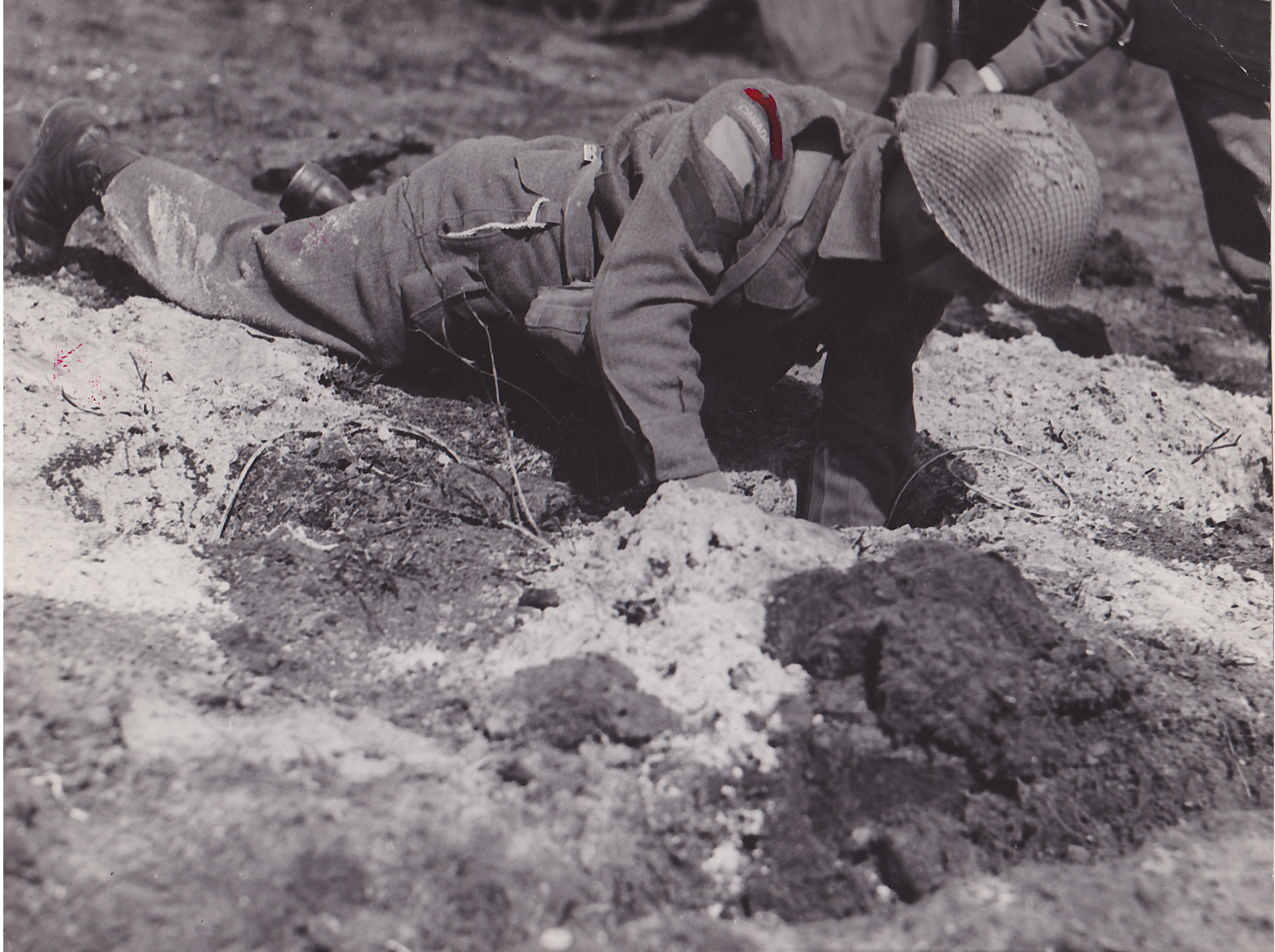
To see the War Diaries for Pre and Invasion visit the link below
Cheers,
MCpl Graham Humphrey
A poem by Albert E Sleighs
O , listen to the bugle call that summons men to arms,
Their King and country need them at the front;
They leave the desk and factory, they leave the town and farms,
To face the foe and bear the battle’s brunt…
Queen’s Own, Queen’s Own,
Sure a finer lot of lads were never known
You’ve a bonnie lot of laddies,
You’ll be missed by Rose and Gladys,
When you’re fighting at the front, Queen’s Own.
They’ve made their wills and settled up, and counted every cost,
Though most of them to give had only life,
But they’ll give it, give freely and count it cheaply lost,
To help the Empire triumph in the strife,
Queen’s Own, Queen’s Own,
When you’re fighting in the cannon-roaring zone,
When you’re charging with the bayonet,
And the blood of foemen stain it,
Don’t forget the slaughtered babes, Queen’s Own.


We’re pleased to announce that at the Annual General meeting of the Regimental Trust Fund, held May 14, 2014, four members of the Regimental Museum Committee (shown in italics) were appointed or re-appointed for a 3 year term. The full committee membership is as follows:
Chair
Members
Ex-Officio Members






 The Queen's Own Rifles of Canada Regimental Museum and Archive