Tag Archives: Book Review

Varsity’s Soldiers: The University of Toronto Contingent of the Canadian Officers’ Training Corps, 1914−1968

Book Review: Varsity’s Soldiers: The University of Toronto Contingent of the Canadian Officers’ Training Corps, 1914−1968

Eric McGeer holds a PhD from the Université de Montréal and teaches at St. Clement’s School in Toronto. He is the author of Words of Valediction and Remembrance: Canadian Epitaphs of the Second World War and several books on warfare and law in ancient Byzantium.


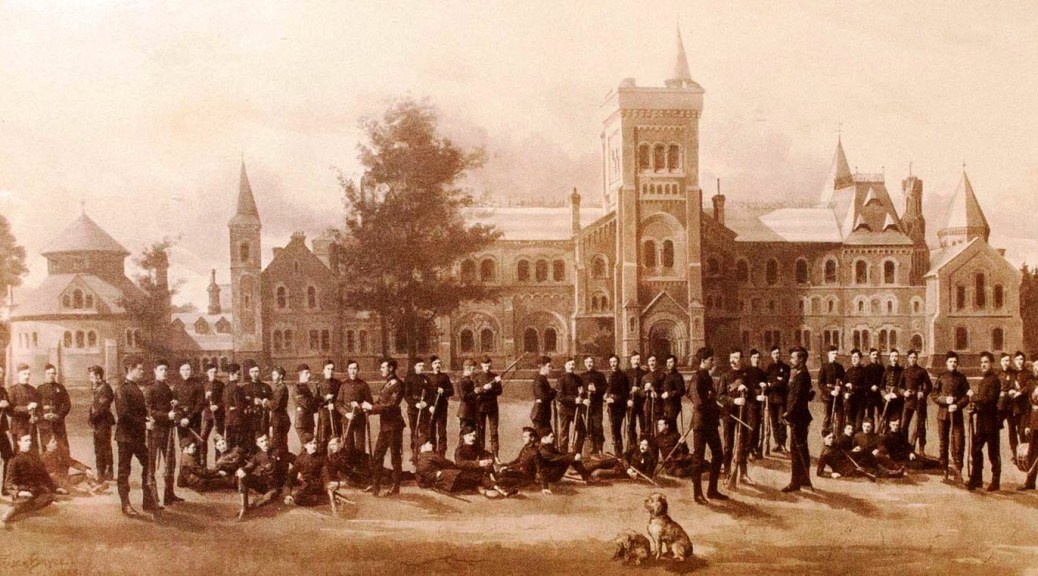
“Varsity’s Soldiers” by Dr. Eric McGeer offers a comprehensive and detailed account of the University of Toronto Contingent of the Canadian Officers’ Training Corps from 1914 to 1968. This book delves into the rich history of the university’s involvement in training officers for military service during a pivotal period in Canadian history. As background, the story begins with the history of University College’s 19th century “K” Company of The Queen’s Own Rifles of Canada.

The author skillfully weaves together historical narratives, personal accounts, and archival materials to provide a thorough examination of the University of Toronto’s role in preparing young men for leadership roles in the Canadian military. From the outbreak of World War I to the Cold War era, the book explores how the university’s Contingent evolved and adapted to the changing landscape of military training and education in Canada.

One of the strengths of this book is its meticulous research and attention to detail. The author presents a wealth of information about the organization, training methods, and experiences of the members of the University of Toronto Contingent. Readers will gain a deep understanding of the challenges and triumphs faced by these young men as they prepared for the rigours of military service.

Moreover, “Varsity’s Soldiers” sheds light on the broader social and political context in which the University of Toronto Contingent operated. By examining the impact of major events such as both World Wars and the Korean War on the Contingent, the author provides valuable insights into the role of higher education institutions in shaping Canada’s military history.

Overall, “Varsity’s Soldiers” is a compelling and enlightening read for anyone interested in military history, Canadian history, or the history of higher education. The book is well-researched, engagingly written, and offers a fresh perspective on the intersection of academia and military service. I highly recommend this book to readers looking to deepen their understanding of the University of Toronto’s contributions to Canada’s military heritage.

The book is available through the University of Toronto Press or on Amazon.ca.

A Comprehensive Exploration of Cyprus’ Complex Past and Fragile Future

A Museum Book Review

The Book: “Cyprus: An Ancient People, a Troubled History, and One Last Chance for Peace”

The Authors: (Former  QOR Honorary Colonel) Lawrence and historian daughter Glynnis Stevenson.


Lawrence and Glynnis Stevenson’s “Cyprus: An Ancient People, a Troubled History, and One Last Chance for Peace” is a meticulous and insightful examination of the multifaceted history and contemporary challenges faced by the island nation of Cyprus. This book not only serves as a historical account but also sheds light on the ongoing struggle for peace in a region marked by deep-rooted conflicts.

The authors delve into the ancient history of Cyprus, providing readers with a solid foundation for understanding the cultural richness that has shaped the island. From the earliest civilizations to the Ottoman and British occupations, the book meticulously traces the various influences that have left an indelible mark on Cyprus and its people. The narrative is both engaging and accessible, making it suitable for readers with varying levels of familiarity with the region.

What sets this book apart is its focus on the contemporary challenges faced by Cyprus. The authors skillfully navigate through the complex web of political, social, and cultural issues that have contributed to the ongoing tensions on the island. They provide a balanced perspective, presenting the viewpoints of all major stakeholders involved in the conflict.

The exploration of the numerous attempts at reconciliation and peace-building efforts is particularly enlightening. The authors analyze the impact of international interventions, diplomatic initiatives, and grassroots movements, offering readers a nuanced understanding of the intricate dynamics at play.

The strength of “Cyprus” lies in its ability to humanize the conflict. Through personal stories, anecdotes, and interviews, the authors bring to life the experiences of individuals affected by the troubled history of Cyprus. This approach adds a human dimension to the narrative, fostering empathy and a deeper connection with the subject matter.

Despite the challenges explored in the book, the authors leave readers with a sense of hope. The title, “One Last Chance for Peace,” suggests that the book is not merely a recounting of the past but a call to action for a more harmonious future. The concluding chapters offer thoughtful insights into potential paths forward and emphasize the importance of collective efforts in achieving lasting peace.

In conclusion, “Cyprus: An Ancient People, a Troubled History, and One Last Chance for Peace” is a commendable work that skillfully combines historical analysis with contemporary relevance. Lawrence and Glynnis Stevenson’s comprehensive and well-researched approach makes this book an essential read for anyone interested in understanding the complexities of Cyprus and the ongoing pursuit of peace in the region.


“Cyprus: An Ancient People, a Troubled History, and One Last Chance for Peace” is available in hard copy and Kindle on Amazon.ca.

You can read more about the QOR 1st Battalion’s 1965 and the 2nd Battalion’s 1967 tours in Cyprus. The latter includes a visit by the Colonel of the Regiment, Colonel J.G.K Strathy.

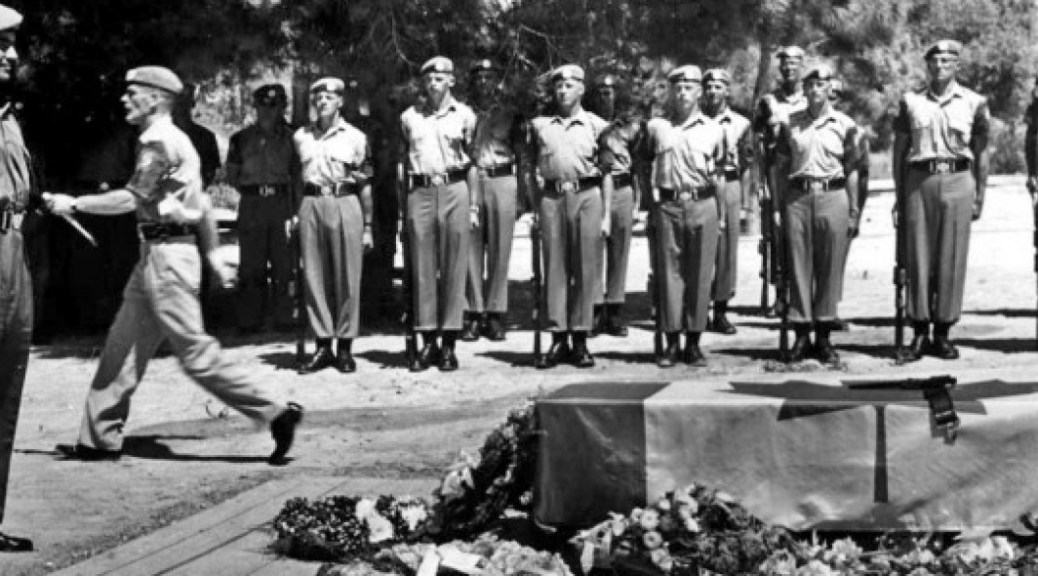
Rifleman Perry James Hoare was killed in a motor vehicle accident during the 1st Battalion’s deployment. [Image above of his funeral.]

Rifleman (later Chief) Percy Joe also talks about his experience in Cyprus (including a rather tense encounter) in his “Museum Conversations” interview on the Museum’s YouTube channel.