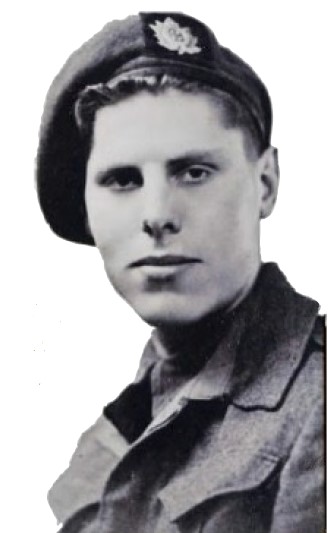
On Sunday, September 10th, 2023 family, friends and members of the Queen’s Own regimental family (both former and currently serving members) gathered in London, Ontario to celebrate (a few days early) Second World War Corporal George Beardshaw’s 100th birthday.
George is one of two known living WWII veterans who served with The Queen’s Own Rifles. He was posted to the QOR as a reinforcement in September 1944 and served with them until the end of the war. However, he spent the final 28 days of the war as a prisoner of the Germans.
Today marks the 79th anniversary of D-Day and the first time we commemorate without any known living survivors of that landing.
Some of us recently attended the memorial service for Alex Adair who passed away on Christmas Eve 2022 and was our last known living D-Day veteran.
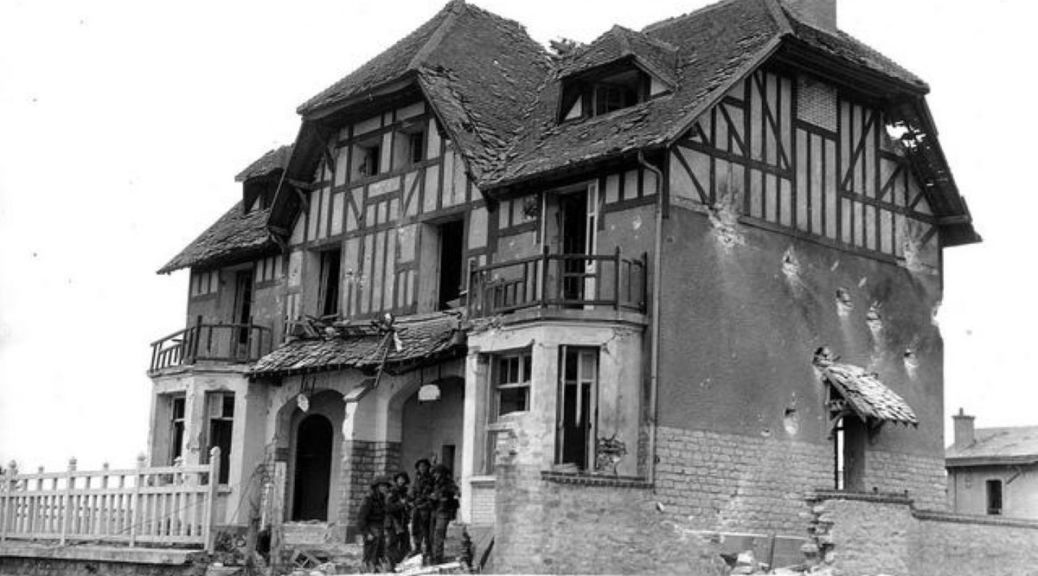
Alex was one of the four soldiers in the well-known photograph (above) of the just liberated home now known as Canada House. The other three were Jim Leslie, Norman Hore and Bob McBurney.
You can hear about how they ended up in this photo from Alex himself in this short video:
The youngest was 19-year-old Rifleman Russell Adamson of Midland
The oldest was 40-year-old Corporal Hugh Rocks of Kirkland Lake
Many of these riflemen left school at the age of 14 or 15 – few completed high school
Many of their fathers had served in the First World War
Rifleman Calbert’s brother was also QOR and was killed in Holland in February 1945.
Rifleman Corvec was transferred to the QOR from a reinforcement unit on 26 May 1944 – just 12 days before D-Day
Rifleman Hall served in the 1939-1940 Finnish-Russian War before enlisting with the QOR in England in 1942
Sergeant “Freddy” Harris was the only Jewish rifleman among the QOR’s D-Day fallen.
Rifleman Lizon has no known grave and is remembered on the Bayeux Memorial however there are several graves in Beny-sur-mer Cemetery with no known names.
Rifleman Martin lied about his age in order to join the QOR in Jun 1940. He was two days shy of his 22nd birthday on D-Day
Riflemen May and McCallum were originally drummers but would serve as stretcher bearers on D-Day
Lance Corporal McKechnie was married in England on 18 May 1944 – just weeks before D-Day
Included in this list are two brothers – Gordon and Douglas Reed
Rifleman Showers was AWOL (absent without leave) when his original regiment The Black Watch, left Newfoundland, and on reappearing was posted to the QOR
Rifleman Stock was an indigenous soldier from Gibson Reserve
From the QOR fallen alone, at least 17 children became fatherless on D-Day
Watch this video to learn more about The Queen’s Own on D-Day:
You can find more about the QOR and the Second World War including personal reminisces of D-Day on our Second World War Resources page.
Written by Assistant Curator, Sergeant Graham Humphrey, CD.
For The Queens Own Rifles of Canada, the end of the Second World War was drawing to a close exactly 75 years ago today. They had fought a ferocious enemy and kept up the fine traditions and demonstrated the Latin motto In Pace Paratus.
Their journey to war began at University Armouries and Camp Borden. From there they traveled to Newfoundland, Nova Scotia, England, Scotland, Normandy, France, Belgium, The Netherlands and ended in Germany. They were led by three Commanding Officers (and a number of short term acting COs from time to time):
25 Aug 1944 to 30 Nov 1945
Lieutenant Colonel S. M. Lett DSO.
During the war 563 Queen’s Own Rifleman were killed in action and buried throughout Europe. Almost 900 were wounded, with some being wounded two or three times. Through out Hong Kong, Italy, and Northwest Europe 60 other QOR personnel lost their lives and we must never forget their sacrifice. You can read all their names on our Virtual Wall of Honour.
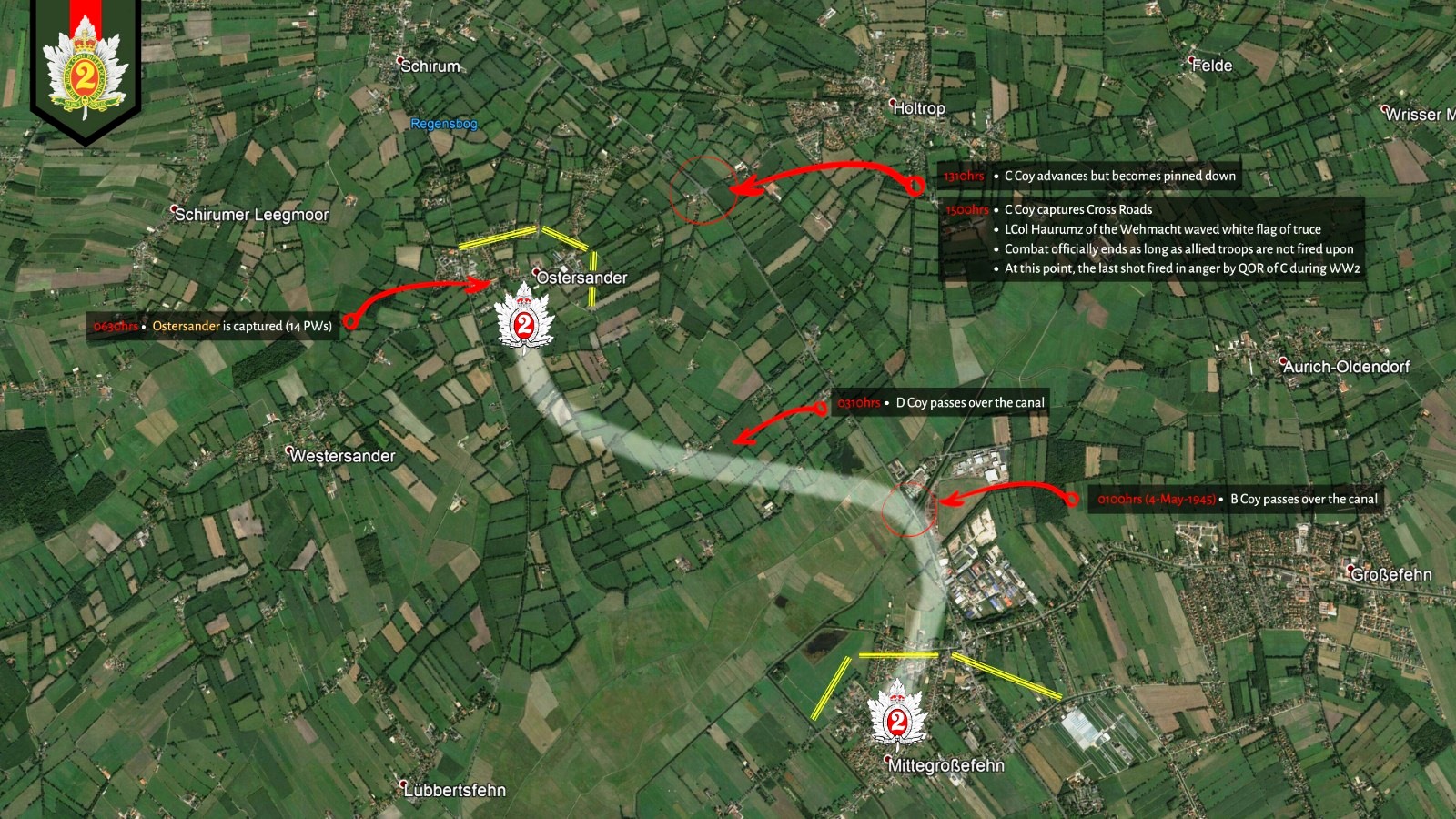
QOR action May 4-5, 1945 – Click for a larger image.
On May 4th 1945 at 0100 hours Dog Company started to move from its position at Mittegrossefehn to continue the attack into Germany leading The Queen’s Own advance. Their only obstacles were blown bridges and road craters so they achieved their objective by 0200 hours. Baker Company began to pass through Dog Company at 0300 hours and renewed the thrust West and North into the city of Ostersander, Germany. The opposition was comprised of a couple of rear guards and Baker Company met their objective by 0600 hours while taking 14 enemy prisoners.
In the early afternoon of May 4th 1945 Charlie Company commenced its attack toward Holtrop, Germany. The objective of the Company was a crossroads. To get there the men had to advance through a terrain that consisted of agricultural fields with hedgerows set against a backdrop of an imposing forest. Charlie Company was met with fierce resistance during their advance. Their opposition included small arms as well as a 20mm Anti Aircraft gun. The consolidation occurred at 1500 hours, this resulted in three wounded while known enemy losses were of one killed. These last casualties were Riflemen T.H. Graham, A.W. Holdsworth, and A. Rosen.
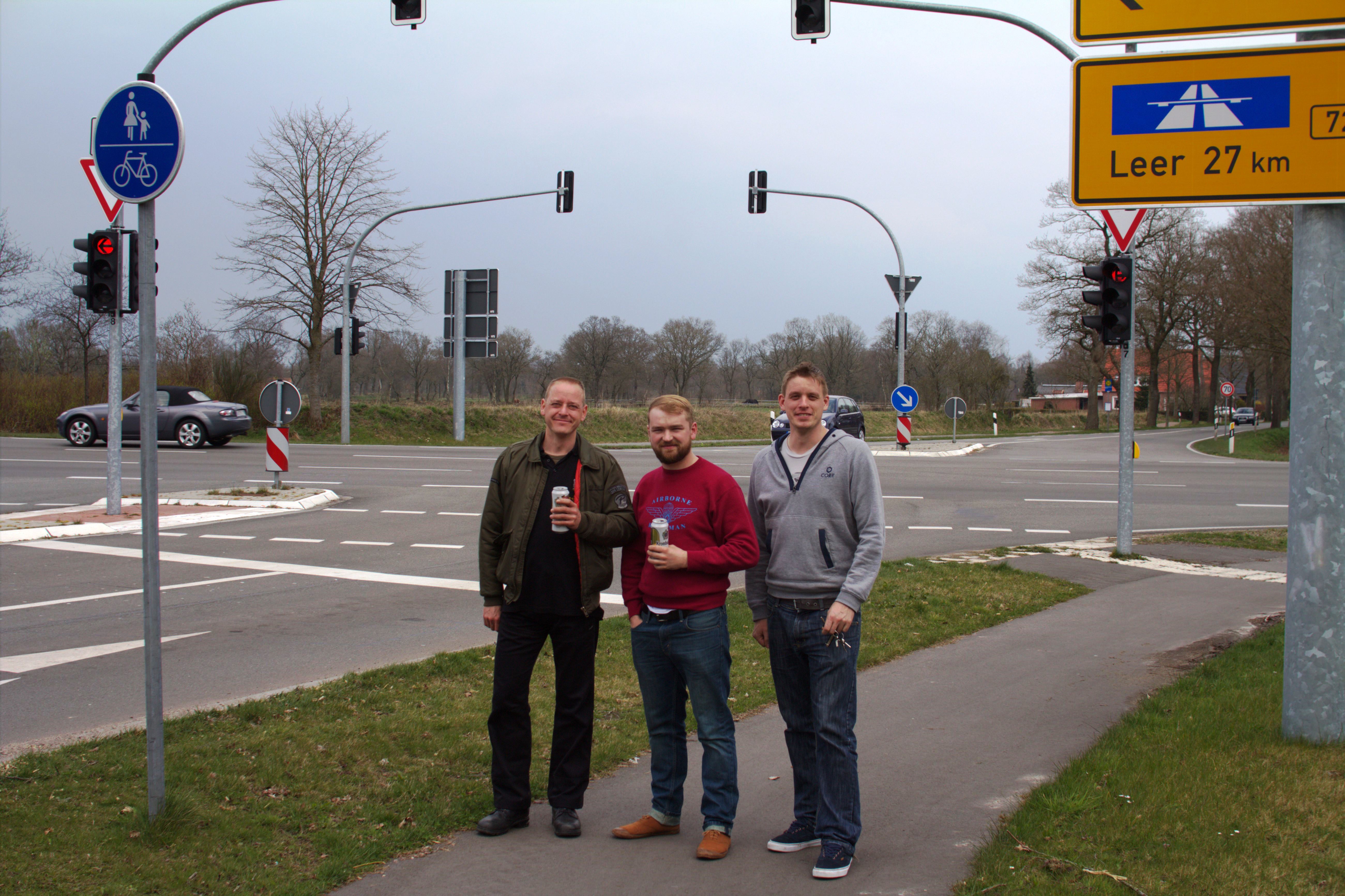
Ivo Kuijkhoven, Sergeant Graham Humphrey and Jork Zijlstra at the crossroads in 2015 where the QOR ended their war.
With this the combat of the 1st Battalion Queen’s Own Rifles of Canada came to an end for the Second World War. A German Lieutenant Colonel named Harms accompanied by the Burgomaster, traveled from the direction of Aurich. They approached Charlie Company’s lines under a flag of truce to negotiate the surrender of Aurich. At 2000 hours the Battalion learned of the unconditional surrender of all German forces facing the 21st Army Group in Northwest Germany, Holland, the Friesian Islands, Heligoland, Denmark and all ships of the German Navy adjacent to the German General Staff Headquarters. Ceasefire was to begin officially at 0800 hours the following morning, 5 May 1945.
Take a minute today to remember the sacrifices of generations of the past and never forget.
We will Remember them. In Pace Paratus
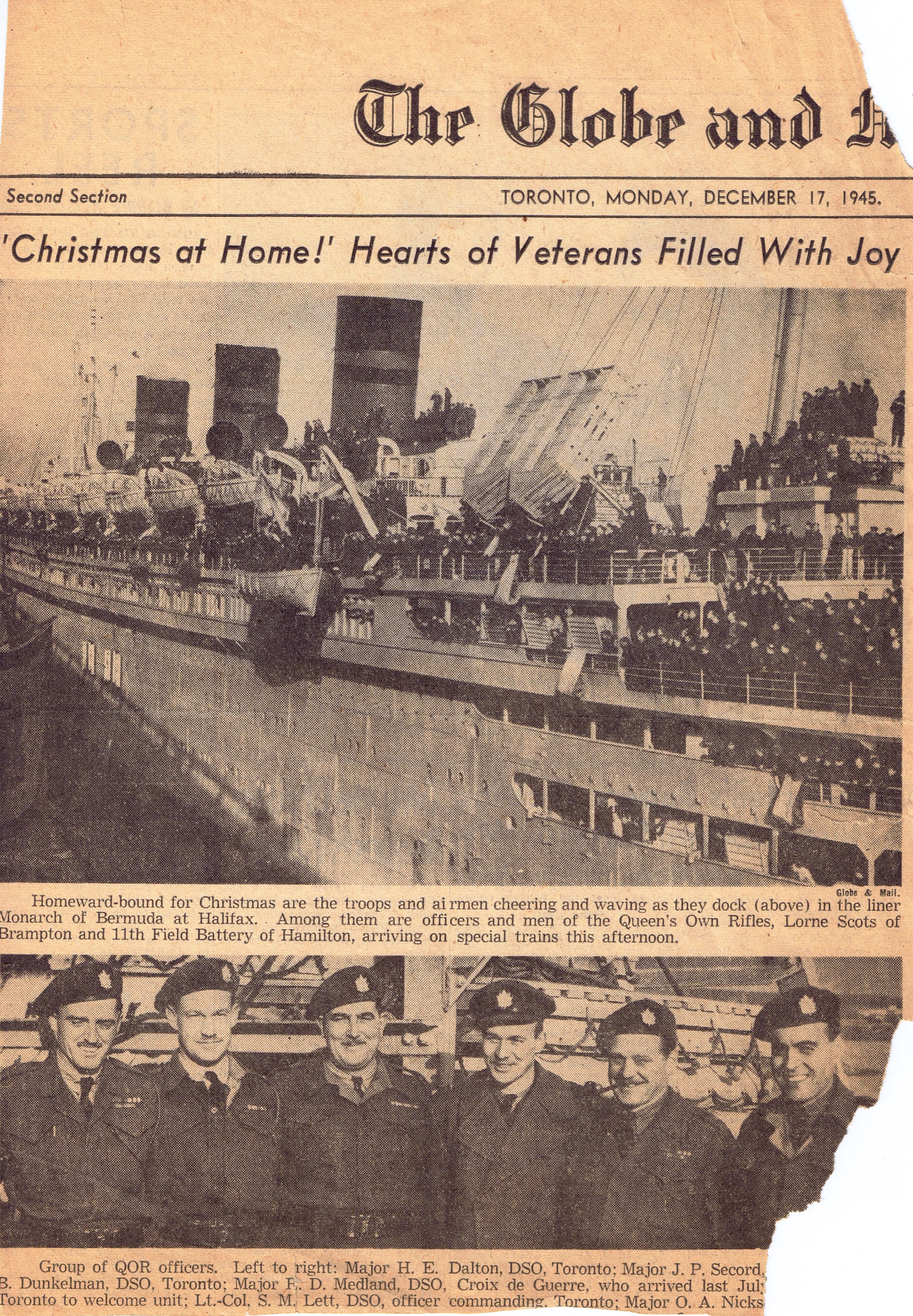
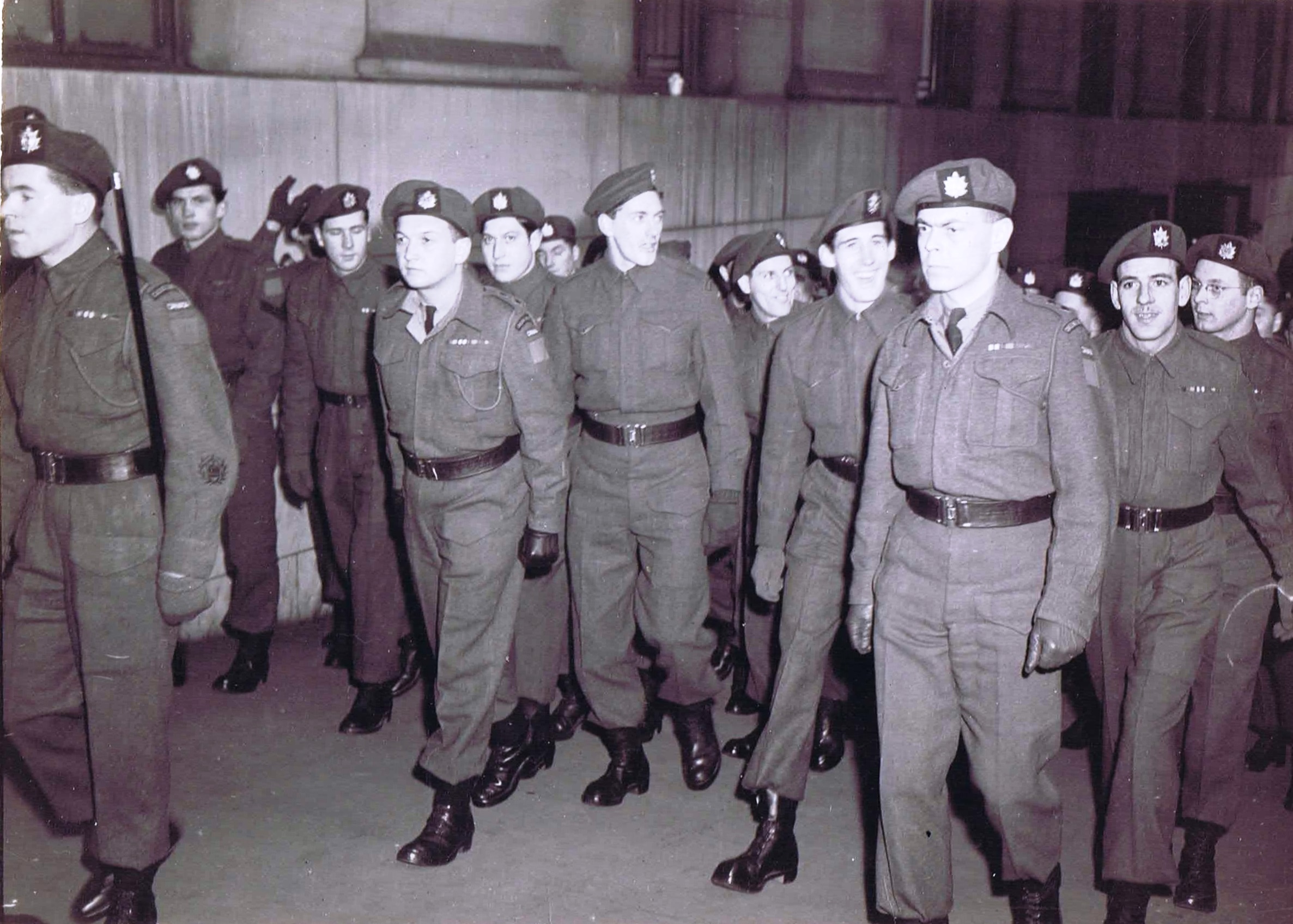
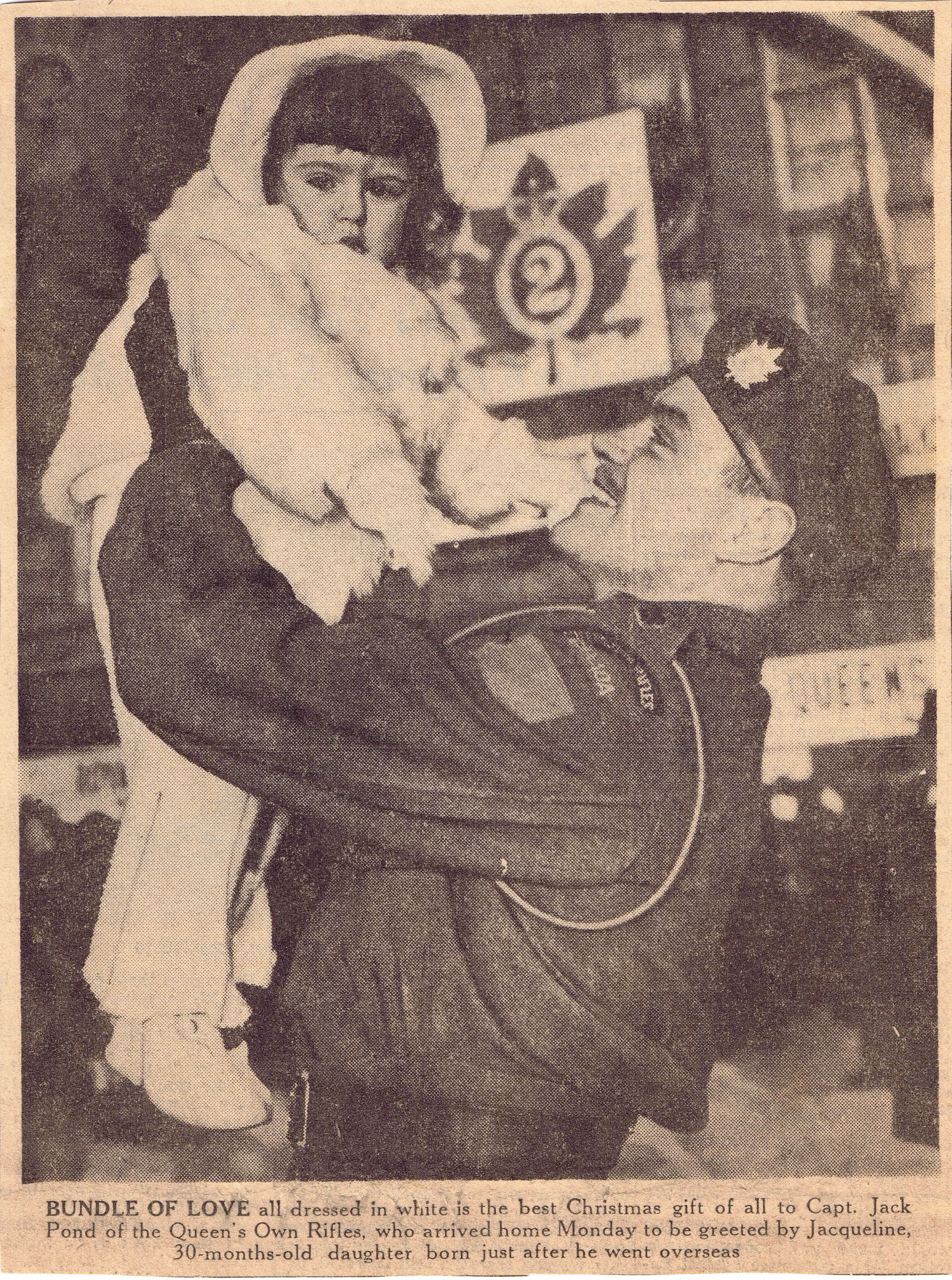
Turning in Rifles at the end of hostilities – June 1945Arriving Home, Monarch of Bermuda, Halifax Dec 17, 19451st Battalion QOR walking out of the north side of Union Station on arriving back in TorontoCaptain Jack Pond arriving home after the war greeting his daughter.
Thanks to the tremendous generosity of several members of the Regimental family, the museum has recently been able to acquire the medals of Lieutenant Colonel Stephen McLeod Lett, DSO who commanded the 1st Battalion, The Queen’s Own Rifles of Canada in Europe from 25 August 1944 to 30 November 1945.
Lett was invested in the Distinguished Service Order at Buckingham Palace 4 July 1945 in recognition of a personal reconnaissance on 20 September 1944 while planning for an attack on Fort de la Creche.
He was awarded the Bronze Lion (Holland) 22 December 1945 for his leadership and initiative leading The Queen’s Own Rifles and at times the 8th Canadian Infantry Brigade. He was also Mentioned in Despatches, 9 March 1946.
We’ll be creating a more detailed profile on Lt Col Lett in the coming weeks but its worth noting that he had served in The Queen’s Own Rifles prior to the Second World War. He also came from a somewhat military family as his father had served in both the Boer War and the First World War with the Canadian Field Artillery, and his grandfather Dr. Stephen Lett, had served in the artillery with the Volunteer Militia and was on Active Service at Port Colborne, Welland and Fort Erie during the Fenian Invasion of 1866.
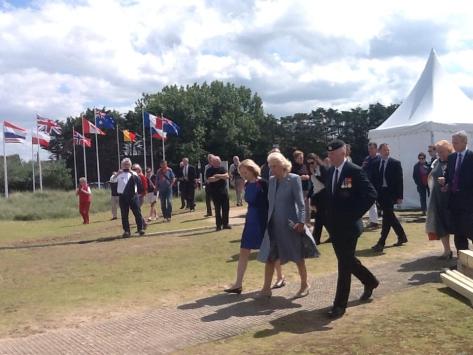
As Colonel in Chief of The Queen’s Own Rifles of Canada, The Duchess of Cornwall met veterans and serving members of the regiment on Thursday June 5 and toured the Juno Beach Centre.
At Juno Beach Centre, 5 June 2014 from L to R: the Prime Minister’s wife Lauren Harper, Her Royal Highness the Duchess of Cornwall, and Lieutenant Colonel John Fotheringham, CD
Former QOR Commanding Officer Lieutenant Colonel John Fotheringham is a Director of the Juno Beach Centre and recently passed on a request from them. They asked if it might be possible for us to make available some artifacts that related to D-Day and the Queen’s Own that the Duchess could see during her visit.
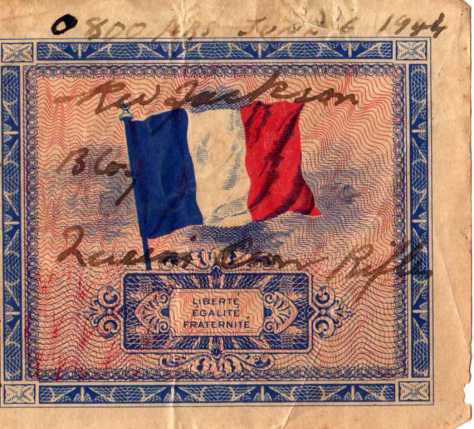
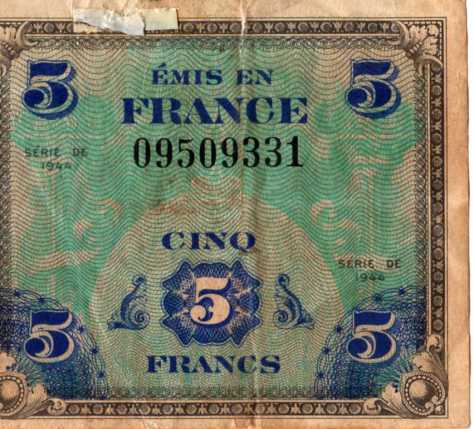
We checked around our collection and decided that items which had belonged to Lance Corporal Rolph Jackson might fit the bill. They had to be fairly small and easy for John to pack in his luggage when he headed to Normandy so we settled on six items.
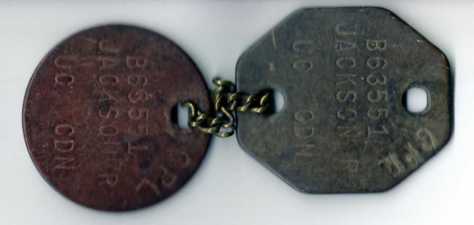
Identity tags
A French “invasion” 5 franc note
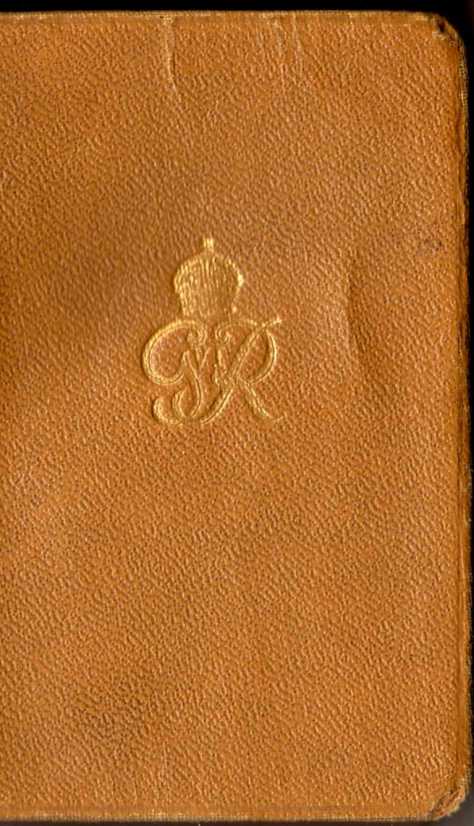
A new testament
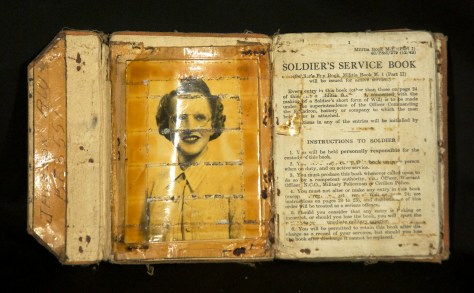
A bundle of pay books
A separate pay book
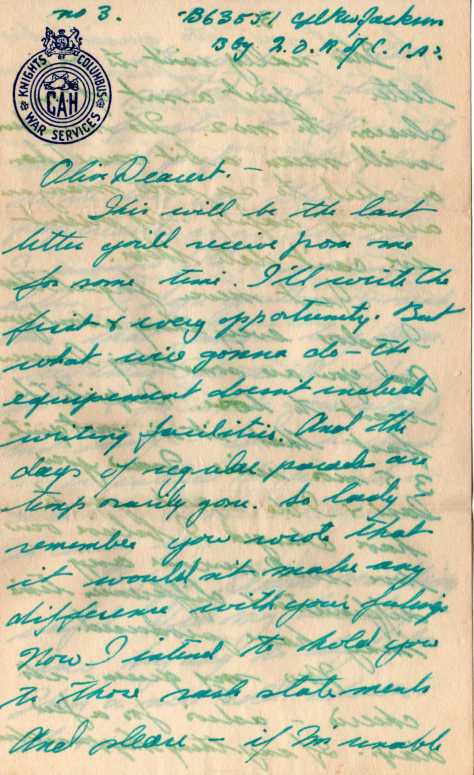
A letter written to his girlfriend (and eventual wife) just before D-Day
Lance Corporal Rolph Jackson’s New TestamentLast letter from Rolph Jackson to Olive Lipski before D-DayRolph Jackson identity tagsFrench 5 franc “invasion” notes from Rolph Jackson CollectionFrench 5 franc “invasion” notes from Rolph Jackson CollectionInside of one of Rolph Jackson’s pay books with a photo of Olive Lipski, who he would later marry.
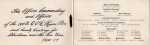
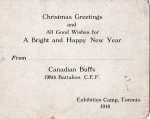
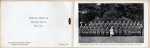
As we approach another holiday season, we’re sharing some of the Regimental Christmas Cards that will be on a temporary exhibit at the Museum starting 1 December. This first series is primarily from the First World War with one from 1941. The Queen’s Own Rifles of Canada perpetuate the 83rd, 166th and 198th Battalions represented below.
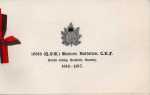
Cover of 1915 Christmas card of the 83rd Battalion, CEF
Inside of the 1915 Christmas Card of the 83rd Overseas Battalion, CEF (perpetuated by The Queen’s Own Rifles of Canada)
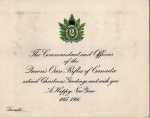
Inside of the 1915 Christmas Card of the Commandant and Officers of The Queen’s Own Rifles of Canada
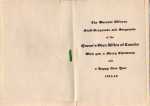
Inside of the 1915 Christmas Card of the Warrant Officers, Staff-Sergeants and Sergeants of the Queen’s Own Rifles of Canada
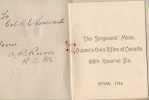
Front cover of the 1916 Christmas Card of the 166th Battalion, CEF
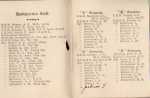
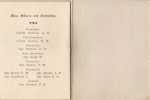
Inside of the 1916 Christmas Card of the 166th Battalion, CEF Sergeants’ Mess
Centre inside of the 1916 Christmas Card of the 166th Battalion, CEF Sergeants’ Mess.
Inside back of the 1916 Christmas Card of the 166th Battalion Sergeants’ Mess
Front cover of the 166th Battalion, CEF Sergeants’ Mess Christmas Card
1916 Christmas Card from the Officer Commanding and Officer’s of the 166th Battalion, CEF
1916 Greetings from the 198th Battalion, CEF which was training at Exhibition Camp, Toronto at the time.
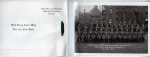
Taken in England in 1941, it includes a formal photograph Queen Mary, Colonel-in-Chief with the Officers of the First Battalion.

 On Sunday, September 10th, 2023 family, friends and members of the Queen’s Own regimental family (both former and currently serving members) gathered in London, Ontario to celebrate (a few days early) Second World War Corporal George Beardshaw’s 100th birthday.










 The Queen's Own Rifles of Canada Regimental Museum and Archive