
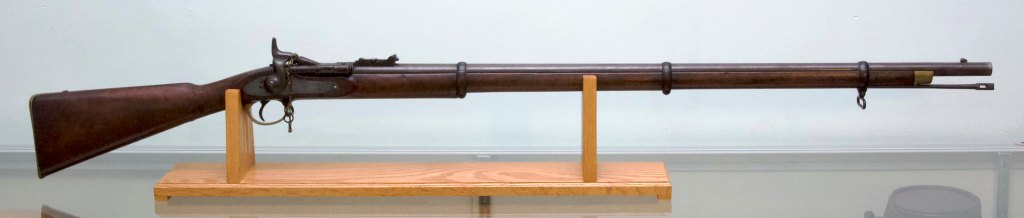
Just after the Fenian Raids, the Dominion of Canada required an upgrade to their issued firearms. With recent developments in firearm research, a breech-loaded firearm was standardized within the British military. The Dominion of Canada would follow suit with the conversion of its arsenal of Pattern 1853 Enfield rifle muskets to breech-loading Snider Enfields.
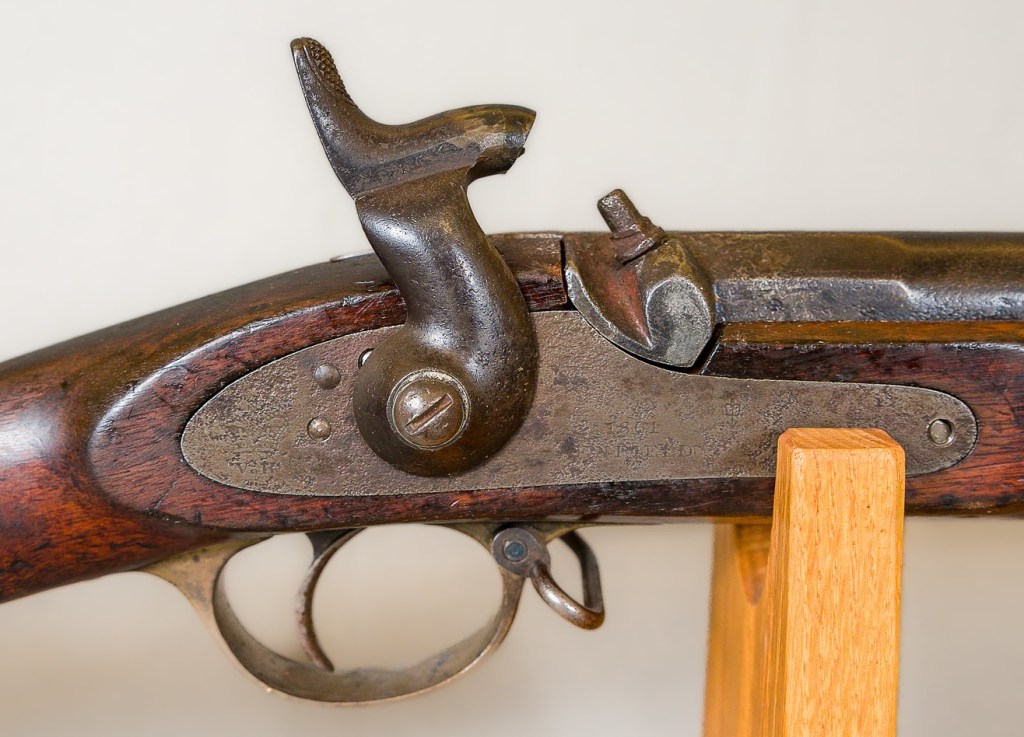
This occurred with the machining of the rear section of the barrel and adding a breach to it. This breach would lock back but also swing open like a door. With a rearward pull, the cartridge would be pulled out of the chamber and into the breach, allowing the rifleman to tip the rifle over and the cartridge to fall out onto the ground.
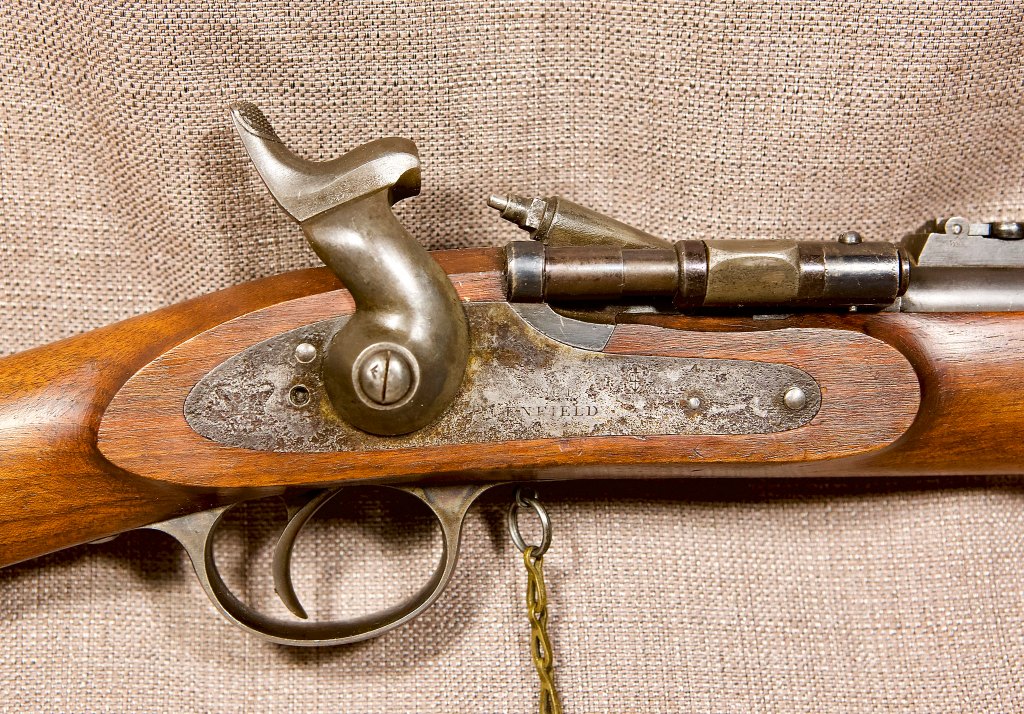
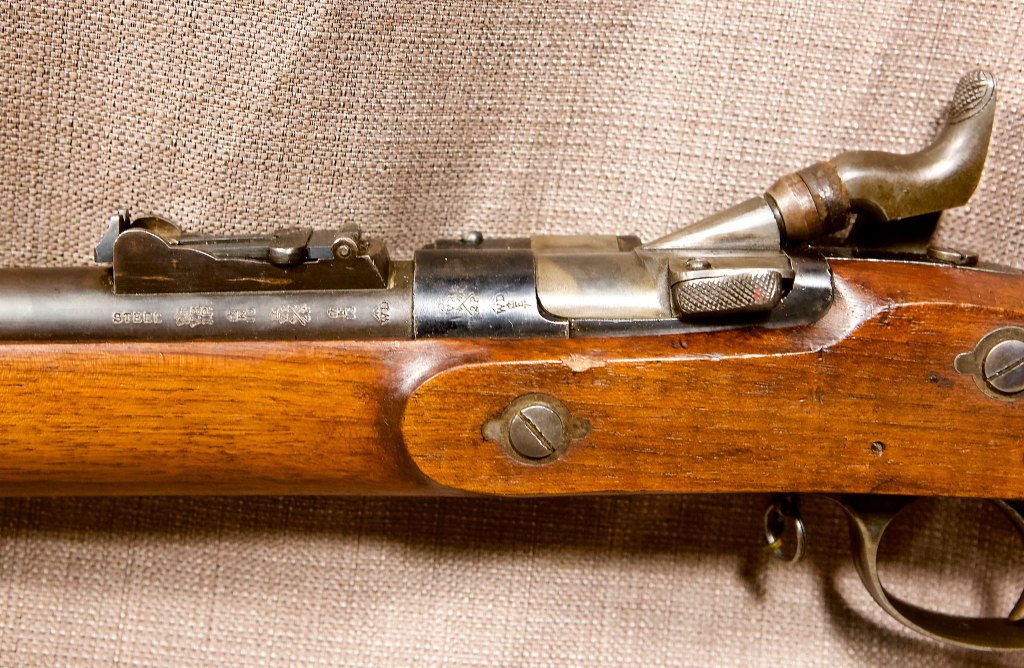
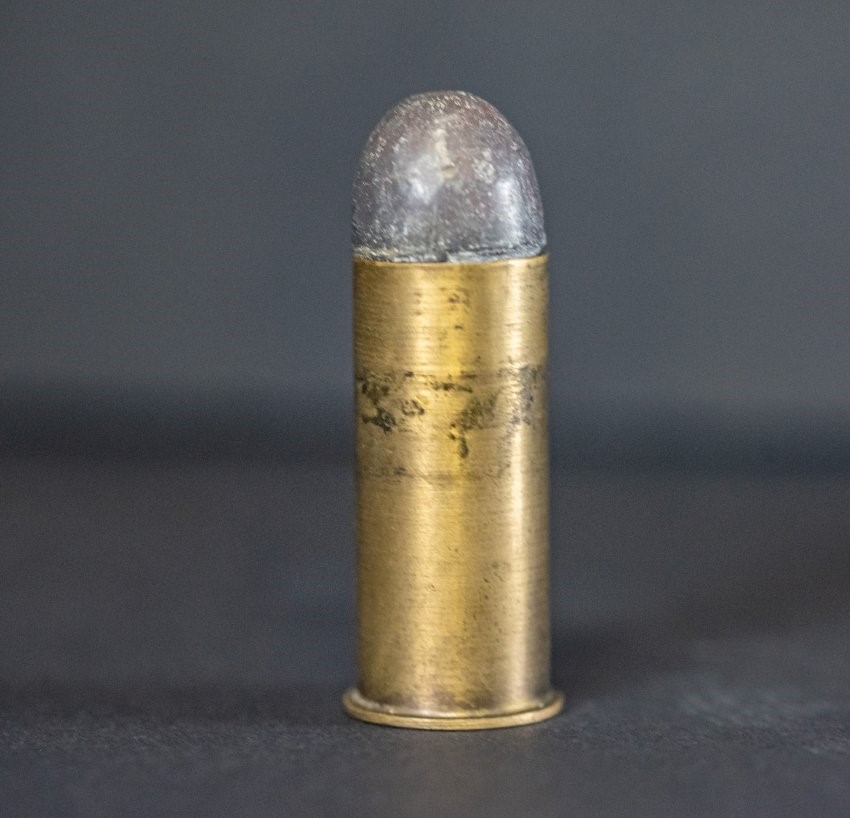
With the conversion, this would be the first widely issued self-contained cartridge to be issued to the Imperial and Canadian Militia. Instead of having the charge (black powder) with the projectile and then a percussion cap (the ignition), the loading time for a Snider was increasingly shorter. Using the self-contained cartridge and only having to open the breach to insert the round, then closing the breach.
Transition Period
On February 26th, 1867, the Regiment was ordered to start exchanging their P53 Enfield muskets for Snider Enfields. For this transition period, the Regiment would be issued a transition period Firearm.
Assistant Adjutant General’s Office
Toronto 26 feb 1867(1)
Militia District orders(1)
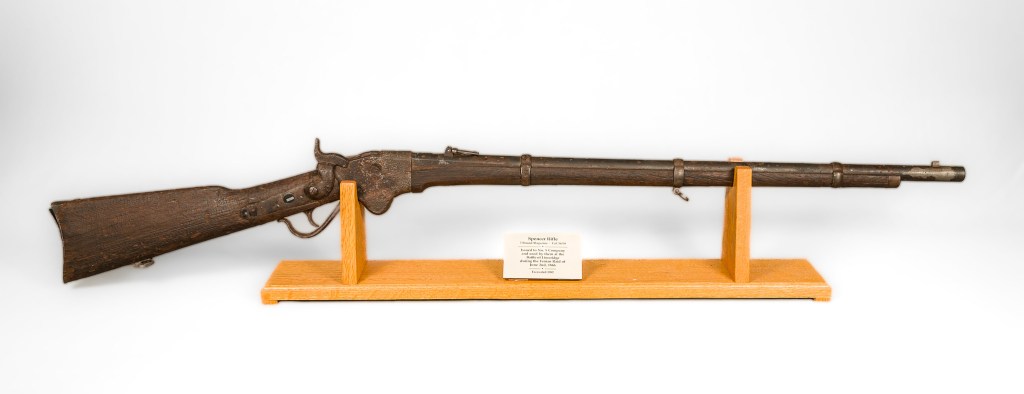
No. 1 As the issue of the Spencer rifles is only a temporary measure pending receipt of breech loaders, the imperial government would not sanction the marking of the arms.
No. 2 Unless when on service, it will not be necessary to carry more than 21 rounds of ammunition per man.
No. 3 No new description of pouches will be purchased, the issue of the Spencer rifles being only temporary.
No. 4 Application has been made to the imperial government to ascertain whether there are scabbards and slings in store; if there are not, steps will be taken to procure them.
No. 5 There is no ammunition for the use of the Spencer rifle, 21 rounds per man of the service ammunition may be needed for active service.
Headquarters
Toronto 27 Feb 1867(1)
Regimental Orders
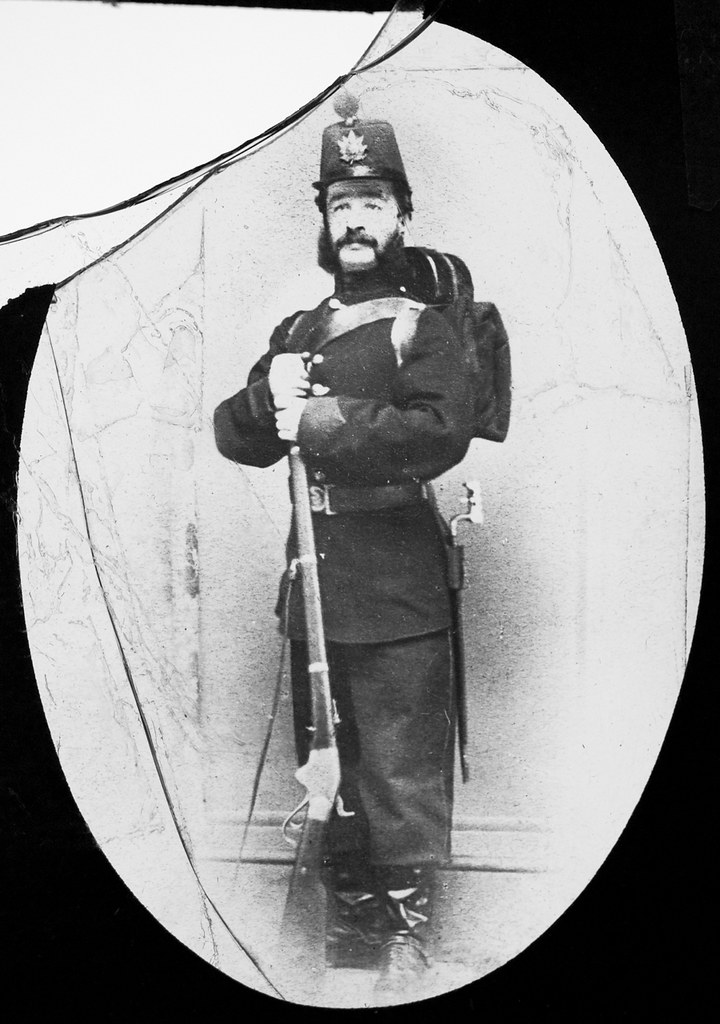
2 The Spencer repeating rifles will be issued Friday next, 60 to each company, and captains will be strictly held responsible that all rifles be lodged in the armoures after drill and that no man be allowed under any circumstance taking them home under further orders.
Headquarters
Toronto 6 March 1867
Regimental Orders.(1)
No. 1 In addition to the Regiment’s No. on the sling of each rifle, the number to be found on the small of the rifle behind the hammer, is also to be placed on the roll in each armoury.
No. 2 The bayonets, screwdrivers and washers belonging to the Spencer Rifles will not be served out with the Rifles until further orders. Captains of Companies will see that they are put away carefully until required.
No. 3 Until the parade is formed, each company will place a sentry over its armoury to see that none but members of the company take out rifles. The doors will then be locked, and no one admitted until the parade is dismissed.
By Order
Otter
Capt & Adj
Headquarters
Ottawa, June 14, 1867
General Orders(1)
No. 1 Arrangements have been made for the exchange of the rifles now in possession of the volunteers for Snider-Enfield breech-loading rifles.
No. 2 The exchange will be made with the least possible delay, and to effect which, depots of their rifles and of ammunition for the same will be found at Quebec, Montreal, Prescott, Kingston, Toronto and London from whence district staff officers may draw to supply the corps in their several districts.
No. 3 Upon receipt of these rifles by the several corps, the arms and ammunition at present in their possession are to be returned as follows.
The muzzle loading rifles and ammunition for the present, the provincial storekeeper at Quebec and the Peabody, Spencer, Westley Richards breech loaders with ammunition for the same to the provincial storekeeper at the district headquarters of the several districts to which corps in presentation of the last named arms belong.
No. 4 The arms to be returned are to be forwarded to their respective destinations by the most direct public convenience in the same boxes that contained the Snider Enfield breech loaders as received.
No. 5 The Commanding officers of each corps will be held responsible that the arms returned are clean, carefully packed, and properly addressed to their several destinations.
Headquarter
Toronto 23 Aug 1867
Regt Orders(1)
The Snider Enfield Rifles having arrived, Officers Commanding Coys will see that the following articles are now in their respective org.
60 Spencer rifles
60 Spencer bayonets
60 spender cleaners
60 Spencer turnscrews
60 Spencer washrods.
are lodged in the different armouries by Saturday, the 24th, just at 8pm, in order that they may be at once packed up for exchange.
The bayonet scabbards must be returned to the quarter masters stores at the same time.
Slings to be retained in the armouries
by order
Otter Capt & Adj
Having done this transition in under 7 months is quite the accomplishment for a newly formed force. This upgrade would bring Canada to the forefront of firearm evolution and would aid the Canadian militia in the following Fenian Raids.
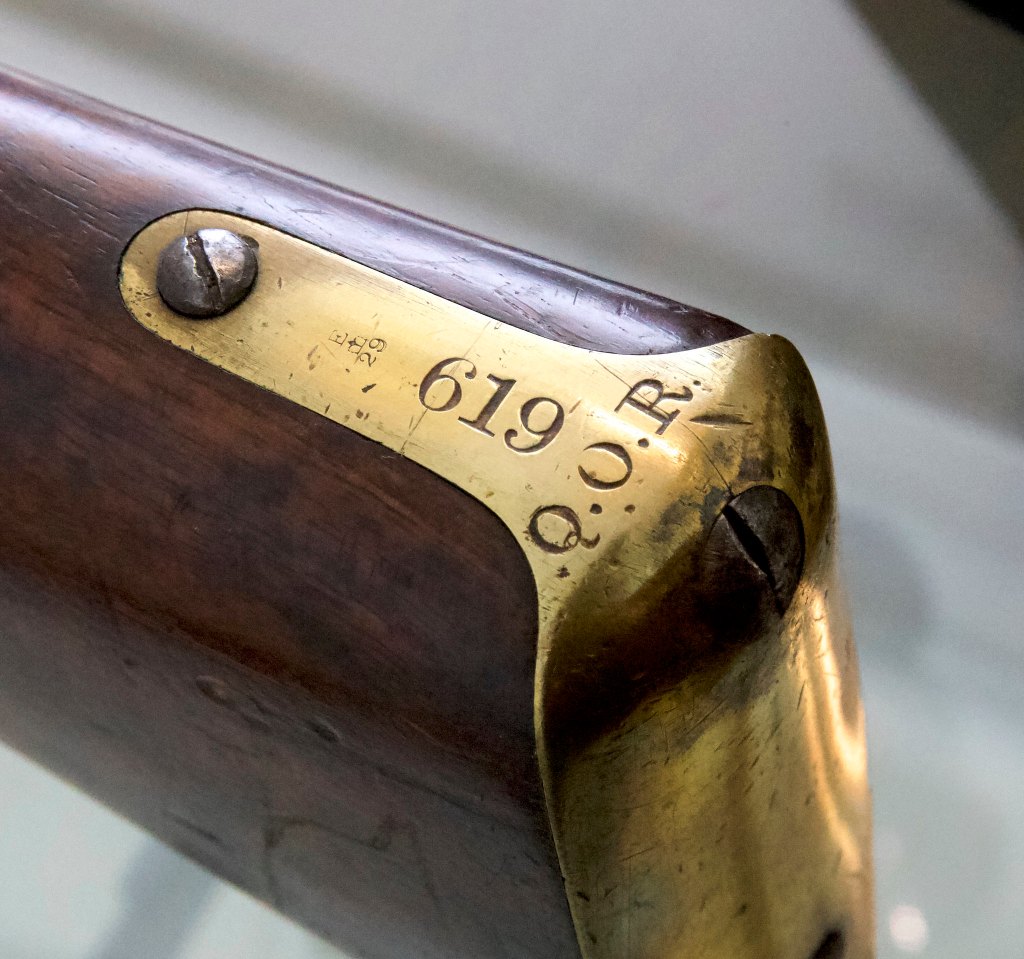
The 3 Band Snider Enfield was marked on the top of the brass butt plate “QOR” with the rack number which corresponds with a number on a rifle rack at the armouries of the Regiment.
Within Rifle traditions, usually a shorter rifle was to be issued with the Baker rifle during the Napoleonic era, the Brunswick rifles being issued a sword bayonet (longer than the Flinklock Muskets of the Line Regiments). The Regiment, from its formation, was issued the 3-banded rifles (the number of barrel bands on the rifle) with a minor issue of short and long length Spencers during the Fenian raids of 1866. The Regiment’s 3-band Sniders would be replaced by a 2 Band Snider with the sword bayonet on 22nd February 1877.
22 February 1877 – An issue of 550 new Scout Snider Rifles (5 groves and steel barrels) made to the Regiment in exchange for the long Snider, also Accoutrements (Black) Second Hand, sufficient to make up the establishment in place of those condemned. (2)
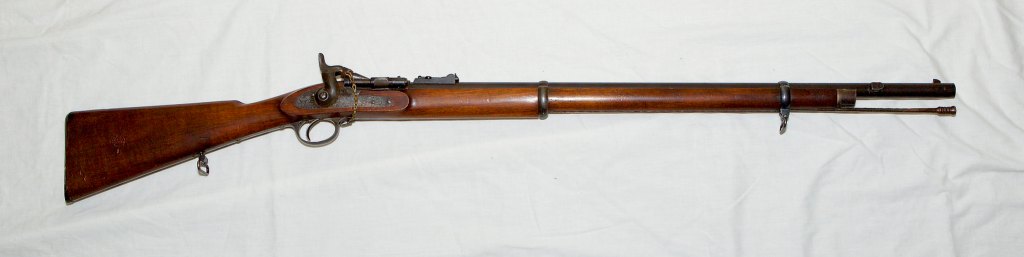
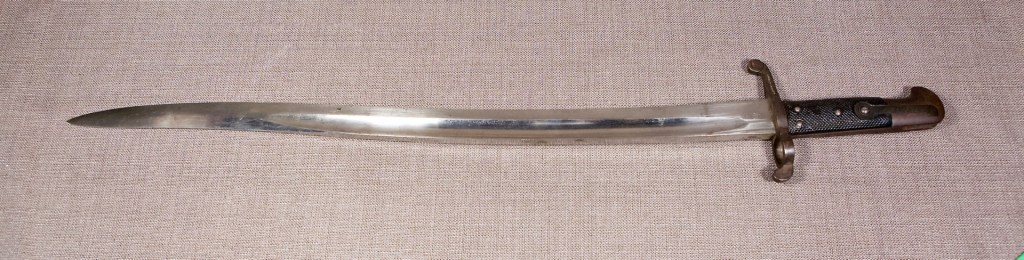
The new 2 Band Scout Snider rifles were Regimental marked “QOR” with a corresponding rifle rack number on the top of the wood buttstock. This was marked in this place due to the new rifles having a steel buttplate.
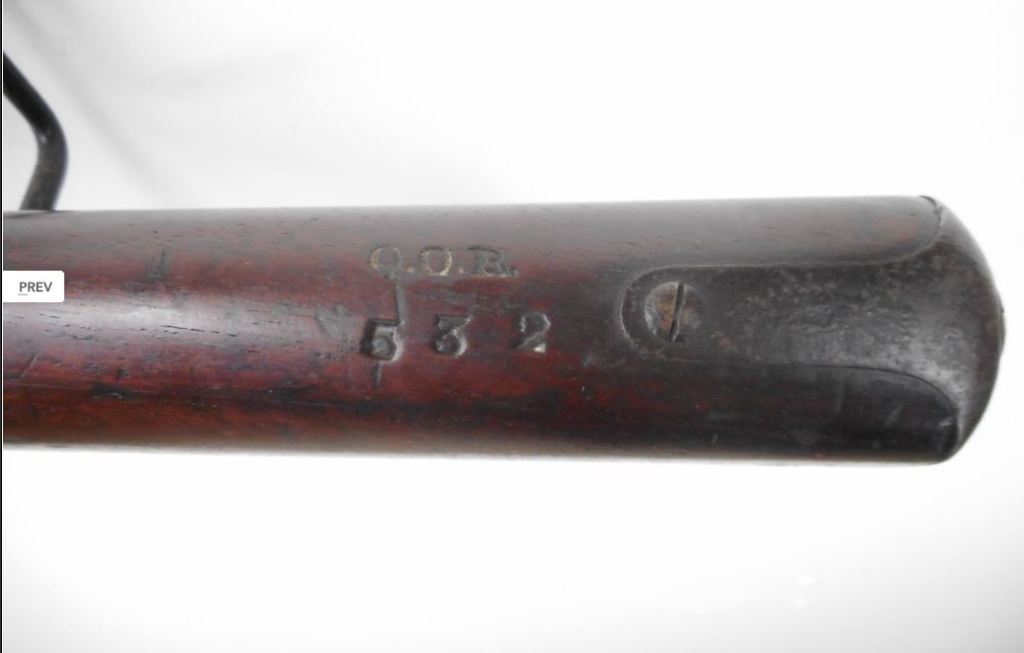
These New Scout Snider rifles with 2 barrel bands would serve the Regiment up to the adoption of the Long Lee Enfield/Metfords in 1897.
Thank you for reading!
Graham Humphrey CD
- Regimental Orders – QOR Museum Archives
2. Regimental Diary 1860-1895 – City of Toronto Archive

 The Queen's Own Rifles of Canada Regimental Museum and Archive