
Reprinted with permission of The Brighton Beacon.
The Twinning of Brighton & Anisy, France
by Alicia Vandine
 Nestled along the shores of Lake Ontario, the
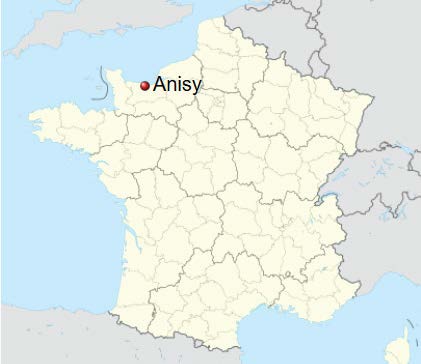
Municipality of Brighton has scenic landscapes and a deeply rooted history of support for each other and service to those who pass through. Over 5,800 kilometres away, in the heart of Normandy, France, lies the picturesque village of Anisy, surrounded by its rolling fields and historic architecture. Anisy, located just a few kilometres from the historic city of Caen, boasts a population of approximately 800 residents. Its history is steeped in the legacy of the Second World War, as the village played a pivotal role during the D-Day landings and subsequent battles for liberation.
Today, Anisy combines its wartime significance with the tranquillity of rural French life, offering its residents and visitors a glimpse into its storied past and its current charm. At first glance, these two communities might seem worlds apart, but a profound and poignant connection has drawn them together: the heroic legacy of Clarke Lawson, a Brighton native and member of the Queen’s Own Rifles, who gave his life in the liberation of Anisy during World War II. This shared history has culminated in the twinning of these two towns, forging bonds of friendship and remembrance.
Clarke Lynson Lawson was born on May 8th, 1905, in Brighton, Ontario. He was the son of George Lynson Lawson and Sarah Elizabeth Maybee. Clarke was educated at the Lawson Settlement School and Brighton High School and later attended Kingston Dairy School. Following this, he took a radio course by correspondence and held a radiotrician diploma, but he mainly worked as a local farmer. On August 12th, 1936, he married Stella Peters at Wicklow, Ontario and later had a daughter named Helen Marie.
Clarke enlisted with the Midland Regiment on November 15th, 1940, in Cobourg, Ontario. He went overseas on March 22, 1943, and was posted to the Canadian Infantry Reinforcement Unit and then
transferred to The Queen’s Own Rifles of Canada on June 11th, 1943.
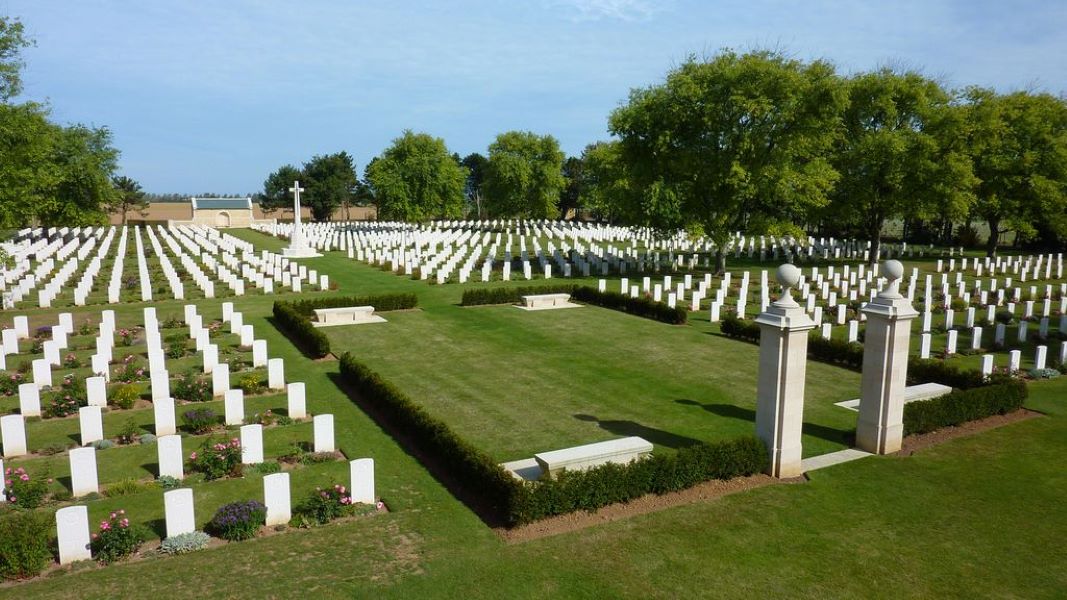
According to the military service records, he survived the landing on Juno Beach on June 6th, 1944, but died later in the day while liberating the village of Anisy, the final objective for The Queen’s Own Rifles on D-Day. He was buried in Beny-sur-Mer Cemetery.
For the people of Anisy, Clarke’s sacrifice is not a distant memory but a cherished part of their
community’s history. Each year, the village commemorates the liberation, ensuring that the contributions of soldiers like Clarke Lawson are never forgotten. Across the ocean, Brighton residents have also honoured Clarke’s memory through annual ceremonies in Memorial Park, and his name appears on the cenotaph located there. It is this shared commitment to remembrance that laid the foundation for the twinning of these two towns.
In 2017, in the presence of members of the regiment, the Village of Anisy named a new street in his honour: Rue Clarke Lawson. “I was made aware by John Stephens, descended from a long-time Brighton family and the Curator of the Queen’s Own Rifles Museum and Archive, that Anisy had honoured our very own Clarke Lawson, by naming a road after him. This led to us reaching out to Anisy’s Mayor Nicolas Delahaye, and after several conversations, in March 2024, we officially proclaimed our twin town as Anisy,” said Mayor Brian Ostrander. “It is a friendship forged in war and is now a friendship of remembrance, strengthened by strong bonds between our two communities.”
While Clarke Lawson’s story is about courage, sacrifice, and enduring impact, his legacy is now about bringing together two communities far away from each other.
One of the most exciting aspects of twinning is the potential for cultural exchange opportunities that it creates. Perhaps schools in Brighton and Anisy can partner on educational initiatives, allowing students to learn about each other’s history, language, and way of life. Maybe virtual “pen-pal” programs, joint art projects, or even exchange visits can foster meaningful connections among young people in both communities.
Cultural events have also become a cornerstone of the twinning of other communities. Anisy could share its rich culinary and artistic traditions with Brighton, or maybe a local group could host a French-themed
festival. In return, Brighton could showcase its heritage, from Canadian music and cuisine to its renowned Applefest celebration. These potential future events not only celebrate the unique identities of each town but can highlight the common values that unite them.
Beyond cultural enrichment, the twinning also has the potential to bring tangible benefits to both towns. Increased tourism is one such advantage, as residents and visitors could be drawn to explore the history and beauty of each location. Brighton residents visiting Anisy can walk the streets where Clarke Lawson once served, while Anisy’s visitors to Brighton can experience the warmth of the town that shaped
this soldier’s character.
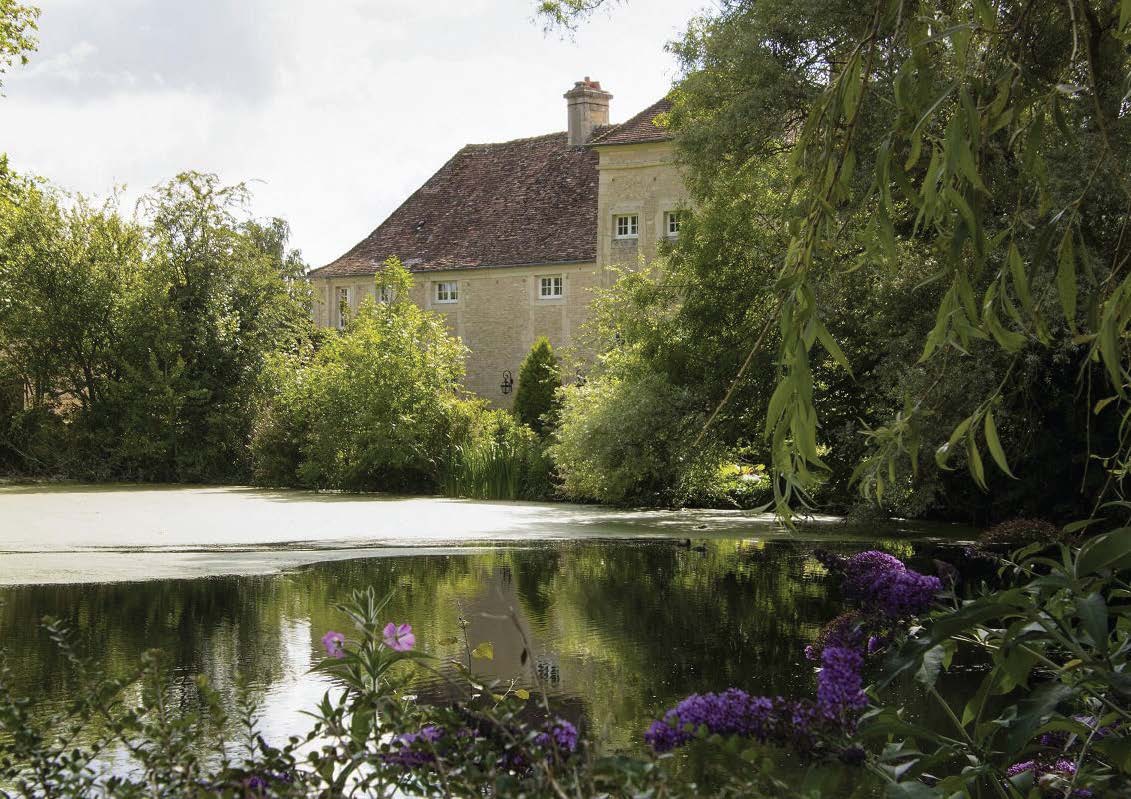
The twinning of Brighton, Ontario, and Anisy, France, is far more than a symbolic gesture. It is a living tribute to the memory of Clarke Lawson and the countless others who made the ultimate sacrifice during World War II. At the same time, it is a forward-looking partnership that can celebrate potential cultural exchange, foster economic growth, and continue to strengthen social bonds.
As these two towns continue to grow their relationship, they remind us of the power of connection and the importance of remembering the past while building a brighter future. The story of Brighton and Anisy’s twinning is not just about two communities; it is a testament to the enduring human spirit and the ties that bind us across continents and generations.
Today (8 June 2025), serving soldiers of the regiment will be in Anisy during the unveiling of the Brighton, Ontario, exhibition that accompanies the twinning ceremony to honour Rifleman Clarke Lawson.


 The Queen's Own Rifles of Canada Regimental Museum and Archive